

Circular plastics
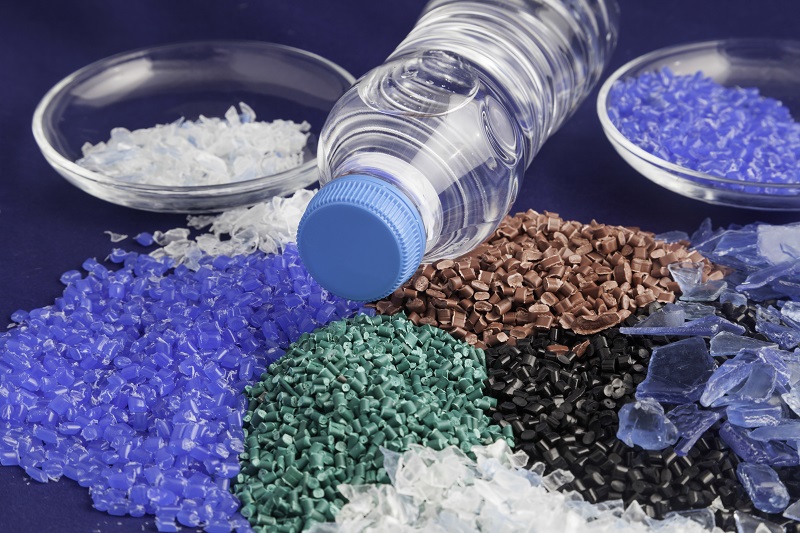
Circular plastics
How to accelerate the transition to a circular plastics economy?
European Plastics Strategy
Plastics are an important material in our economy and daily lives. However, they can have serious negative effects on the environment and human health.
The EU is taking action to tackle plastic pollution and marine litter to accelerate the transition to a circular and resource-efficient plastics economy. Specific rules and targets apply to certain areas, including single-use plastics, plastic packaging, microplastics, and soon bio-based, biodegradable and compostable plastics.
The EU adopted a European strategy for plastics in January 2018. It is part of the EU’s circular economy action plan, and builds on existing measures to reduce plastic waste.
The plastics strategy is a key element of Europe’s transition towards a carbon neutral and circular economy. It will contribute to reaching the 2030 Sustainable Development Goals, the Paris Climate Agreement objectives and the EU’s industrial policy objectives.
National Circular Economy Programme 2023-2030
The Netherlands has the ambition to close the plastic loop in 2050 and no longer produce plastics from primary fossil raw materials. To be able to realise this ambition, an important interim target is to halve the use of fossil raw materials for plastics by 2030 (compared to 2016).
Our projects include:
- INCREACE – More recyclates in electronics
- Action Plan Increasing the use of recycled plastics
- Course Design for Recycling of Electronics
- Standardisation of recycled plastic
- Applying recycled plastics
- Guidelines Designing with recycled plastics
- A Chemicals Perspective on Designing with Sustainable Plastics
Other
themes

Circular electronics
How to make electronic products more sustainable and circular?

Climate mitigation and adaptation
Stimulating the use of ecosystem services that nature offers us, can turn the tide or provide perspective for regulating climate

Single Use Plastics
Strategic advice on how to comply with the European SUP Directive and related national regulations.
Want to
know more?
Contact us!