

Right to Repair
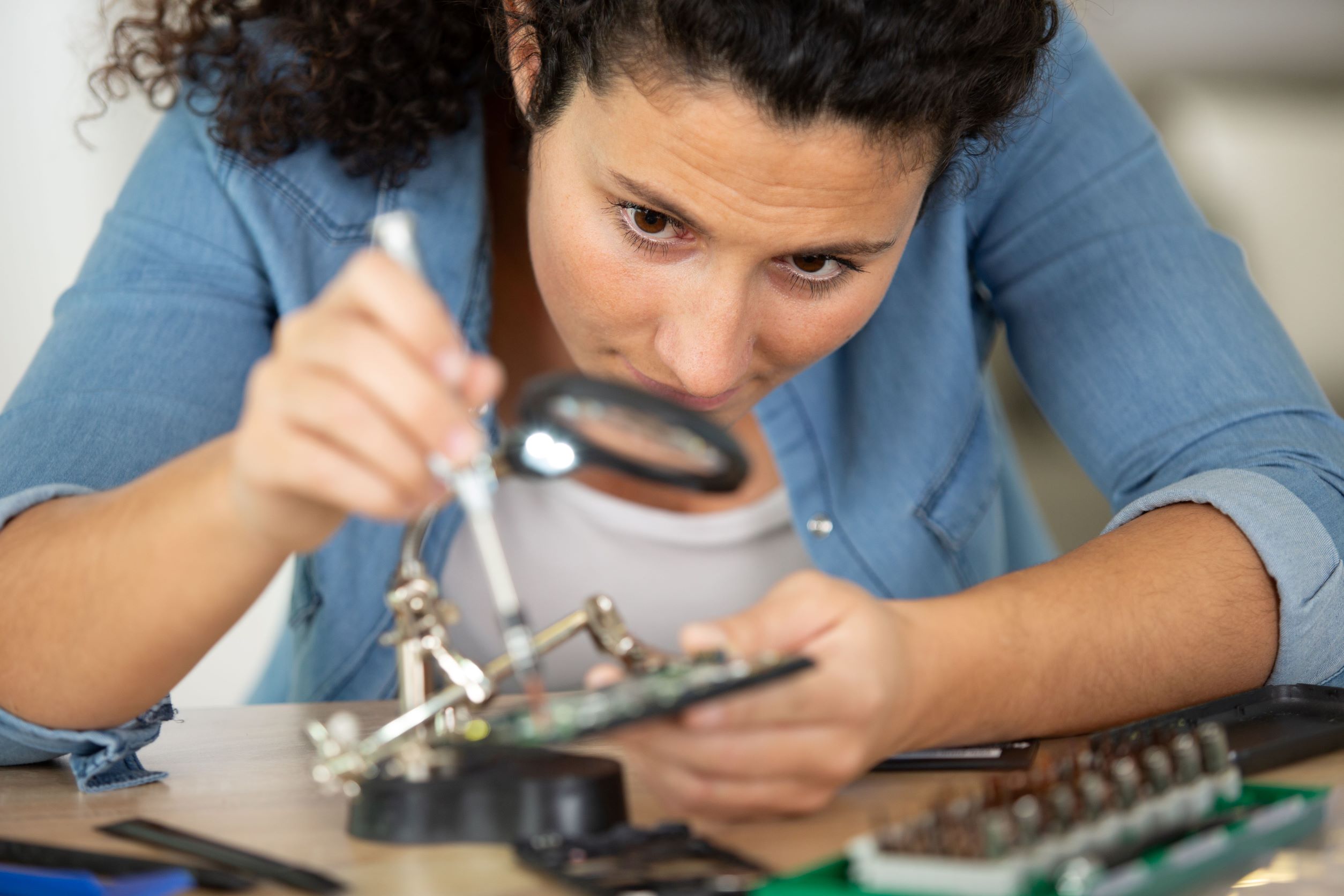
Right to Repair
First up: electronics and electrical appliances
Sometimes European regulations moves slow, and then suddenly it’s upon us. The Netherlands and other member states must comply with the rules of the European Right to Repair Directive by July 31, 2026. The rules will apply to products sold from July 31, 2026 onward.
Does this apply to all products?
No, it doesn’t apply to all products, but it does apply to many electronics. This applies to the following product groups:
- Mobile phones, cordless phones, and tablets
- Electronic displays such as TVs and computer monitors
- Washing machines and dryers
- Dishwashers
- Refrigerators
- Vacuum cleaners
- Servers and electronic data storage devices
- Electric vehicles with a battery under 25 kg, such as scooters and bicycles
- Welding equipment
Who needs to comply?
Most of the rules apply to the manufacturers of these products and their retailers. But there are also consequences for consumers, independent repairers, and the government itself.
It is important to note that many regulations in the Netherlands are slightly different from those elsewhere in Europe. This is because we do not have a regulatory warranty period in the Netherlands, and many rules in the Right to Repair regulation concern repairs within the warranty period.
In the Netherlands, you’re already entitled to a properly functioning product for as long as you can expect it to last under normal use. This is somewhat vague, but in practice, it’s often longer than the 2- or 5-year factory warranty offered by retailers and manufacturers. For the more expensive electronics covered by this Right to Repair legislation, this can increase to 8 years or more. Within that period, the retailer must repair a broken product free of charge, replace it, or refund the purchase price.
What changes for retailers?
For retailers selling products elsewhere in Europe, the warranty period will be extended by 1 year if products need to be repaired within 2 years of purchase. The retailer must offer the customer this choice and offer the repair free of charge and within a reasonable timeframe. If it is technically impossible to repair the product, the retailer must offer a refurbished product (used and refurbished) as a replacement in addition to a new product.
What will change for manufacturers?
Manufacturers are required to offer repairs even outside the warranty period, but this doesn’t have to be free. They can perform these repairs themselves or outsource them to a third party. However, this must be done at a “reasonable price” and within a “reasonable timeframe.” If repair is impossible, a new or refurbished product can be offered as a replacement.
Manufacturers must facilitate repairs by an independent repair shop or technician. This means no contractual obligations with specific parties, no software blocks, or a deliberately difficult-to-repair design. Spare parts must be offered affordably, and the supply of second-hand spare parts cannot be hindered.
Manufacturers must inform their customers about their right to repairs and publish online estimates of the repair costs of their products.
What else will be arranged for consumers?
A European online platform will be established where you can easily find repairers and suppliers of refurbished products. The Netherlands has taken a lead with an online repairers register. Customers can request a standard form from these professional repairers with information about their repair services, costs, and conditions. This form must contain at least the information specified in the Directive.
Can Partners for Innovation help me comply with these rules?
Yes, we are happy to help! The right to repair is good for consumers and the circular economy. For manufacturers and retailers, it means making strategic choices and possibly collaborating with other parties in the supply chain.
- Circular design can make your products faster and easier to repair, for example, through standardization or improved design of vulnerable components. As industrial designers, we are experts in ecodesign and are happy to help you with this.
- Digital Product Passports (DPPs) will become mandatory for the same group of products and help facilitate repairs. We provide advice on creating DPPs and using them to improve product design.
More information
Other
themes



Want to
know more?
Contact us!