
Nature‑inclusive farming as a buffer around Natura 2000 areas
After six years, the All4Biodiversity programme has come to an end. Project leader Francisca Demmendal‑Wit reflects on the results.
What was All4Biodiversity about?
Within the All4Biodiversity programme, various Dutch provinces, ministries, nature and farming organisations, and knowledge institutes worked together to improve the quality of nature areas in the Netherlands. This was done through an integrated approach in the transition zones around Natura 2000 sites, (protected nature areas all across the European Union) in close cooperation with all land users.
The programme developed knowledge and brought together existing information in an online biodiversity toolbox. It also focused on raising awareness, sharing inspiration and knowledge, and encouraging stakeholders to take action themselves to strengthen biodiversity in the Netherlands. Examples include area‑based cooperation and the creation of landscape elements.
Which result are you most proud of?
“Nature‑inclusive farming is particularly important in transition zones, as it helps reduce pressure on Natura 2000 areas. We provided farmers with practical tools to work in a more nature‑inclusive way, such as knowledge, meetings and subsidy schemes.
Farmers across the Netherlands actively participated – clearly showing that many of them are willing to transition towards nature‑inclusive practices. In North Brabant province, for example, 450 farmers are now participating in the Brabant Biodiversity Monitor for dairy farming, whereas we initially aimed for around 200. In the province of Gelderland, at least 30 farmers developed nature‑inclusive business plans, and in Limburg and South Holland farmers have implemented nature‑inclusive measures that improve water management.”
What kind of measures are we talking about?
In a region near Rotterdam, several farmers started using controlled drainage systems. This allows them to keep groundwater levels higher for longer in spring, which benefits meadow birds. Trials were also carried out using solid manure.
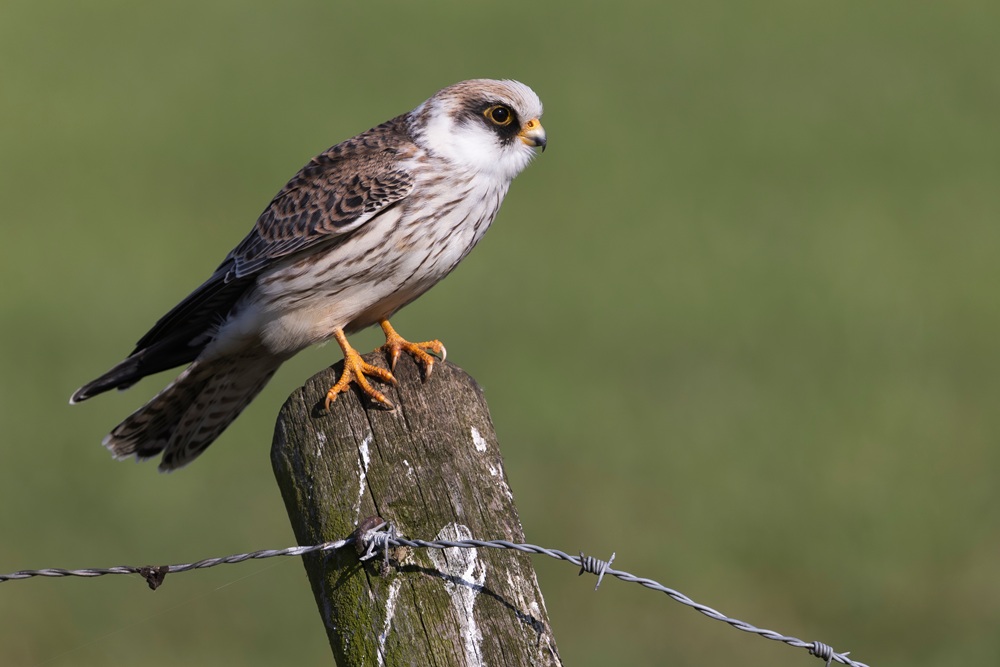
Along the Dutch coast, attention was drawn to the importance of beach‑nesting birds: simply leaving them undisturbed significantly improves their chances of survival. Limburg is another good example. Through specific crops, green manures and the use of a shallow‑tillage seed drill, surface runoff of rainwater has been reduced. This keeps nutrients in the soil, preserves soil structure and supports a healthy soil life.
What made the All4Biodiversity approach unique?
Good cooperation with people from the region is crucial. That may sound obvious, but in reality this does not always happen, often leading to friction and loss of trust. All4Biodiversity focused on an area‑based approach: together with regional stakeholders, an initial analysis was carried out. What is the current situation? What are the issues? Which measures are needed?
It is essential to take revenue models, local support and, of course, monitoring of interventions into account.
What insights did this approach deliver?
Area‑based cooperation is not as easy as it sounds. It requires integration across sectors, at local, regional and national levels. This means speaking the same language, involving the right parties, and ensuring that area coordinators have a clear mandate. Cooperation is indispensable if we want to raise the quality of our landscape to a higher level.
Are Natura 2000 areas now in a better condition than six years ago?
That is difficult to measure, because effects often only become visible after several years. Unfortunately, this means we cannot make claims about this with certainty. What we have observed is that the transition zones around Natura 2000 areas function as an important buffer. The size and quality of nature‑inclusive transition areas contribute, for example, to the survival chances of meadow birds.
Overall, over the past six years we have helped land users to work in a more nature‑inclusive way. We have also developed and brought together a great deal of knowledge, practical experience and tools related to nature‑inclusive farming, biodiversity and cooperation. This knowledge remains available, allowing others to use it and take action themselves to improve biodiversity.
Want to
know more?
Contact us!