
New study: How much land is needed for a sustainable future?
Partners for Innovation recently took on a special assignment. At the request of a civil society organisation, we conducted a study into the consequences of sustainability transitions for land use in Europe.
The transitions towards agroecological agriculture, renewable energy and more circularity require major changes, but these also have direct consequences for the amount of land we need to use.
Main question: is more or less land needed because of the transition?
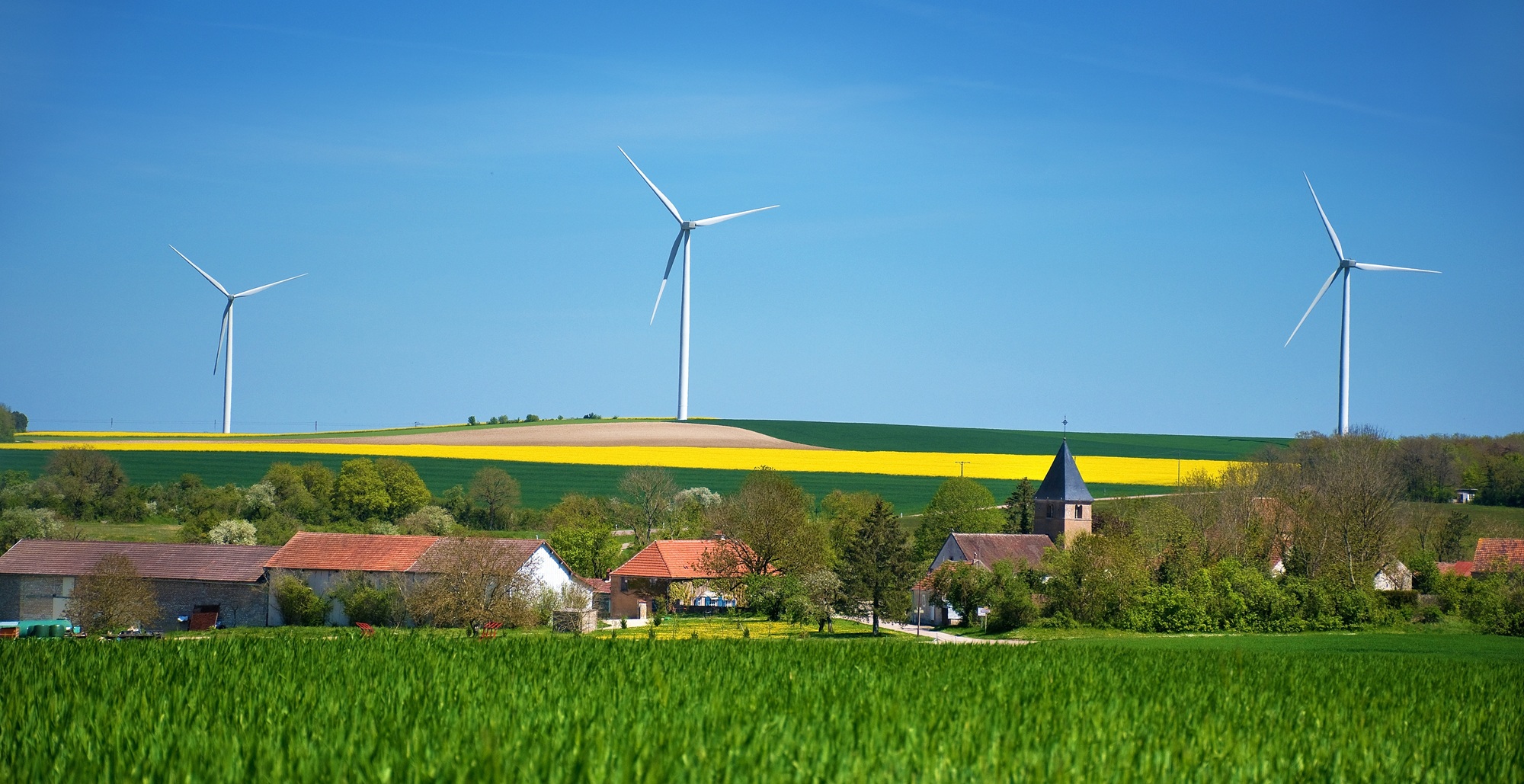
The main question of this study was: to what extent do these transitions lead to more or less land use in Europe? And does it still fit within Europe’s borders? Eating more plant-based food, for example, will lead to a reduction in the amount of (agricultural) land required, while building with bio-based materials requires new production forests. This, in turn, requires more land.
The study was led by Francisca Demmendal-Wit and carried out by four specialists from Partners for Innovation. “Because we have experts in the fields of energy, land use and material use, we were able to involve colleagues from our different thematic departments in this assignment,” said Ms. Demmendal-Wit.
Saving land through different agricultural practices
The study showed that Europe can save land through a more sustainable diet and agroecological agriculture. The transition to bio-based building materials also has a major impact. Ms. Demmendal-Wit: “Timber is becoming increasingly important as a building material because it stores carbon and is seen as sustainable, provided that regenerative forest management takes place. However, a huge increase in the demand for timber will require much larger forest areas, probably more than the total forest area available in the 27 EU Member States.”
However, this does not mean that the transition is impossible. Ms. Demmendal-Wit: “There are other options to explore. For example, timber for the construction sector can also be imported from outside the EU.” According to the study, in addition to the transition to bio-based raw materials, a reduction in the production of new plastic is also important for a sustainable future. Furthermore, reducing production and creating closed loops play a crucial role.
Lead consultant: Francisca Demmendal-Wit, expert in nature-inclusive agriculture.
Written by: Arne Doornebal, Communications Specialist and Business Developer Africa.
Want to
know more?
Contact us!