

European Nature Restoration Regulation
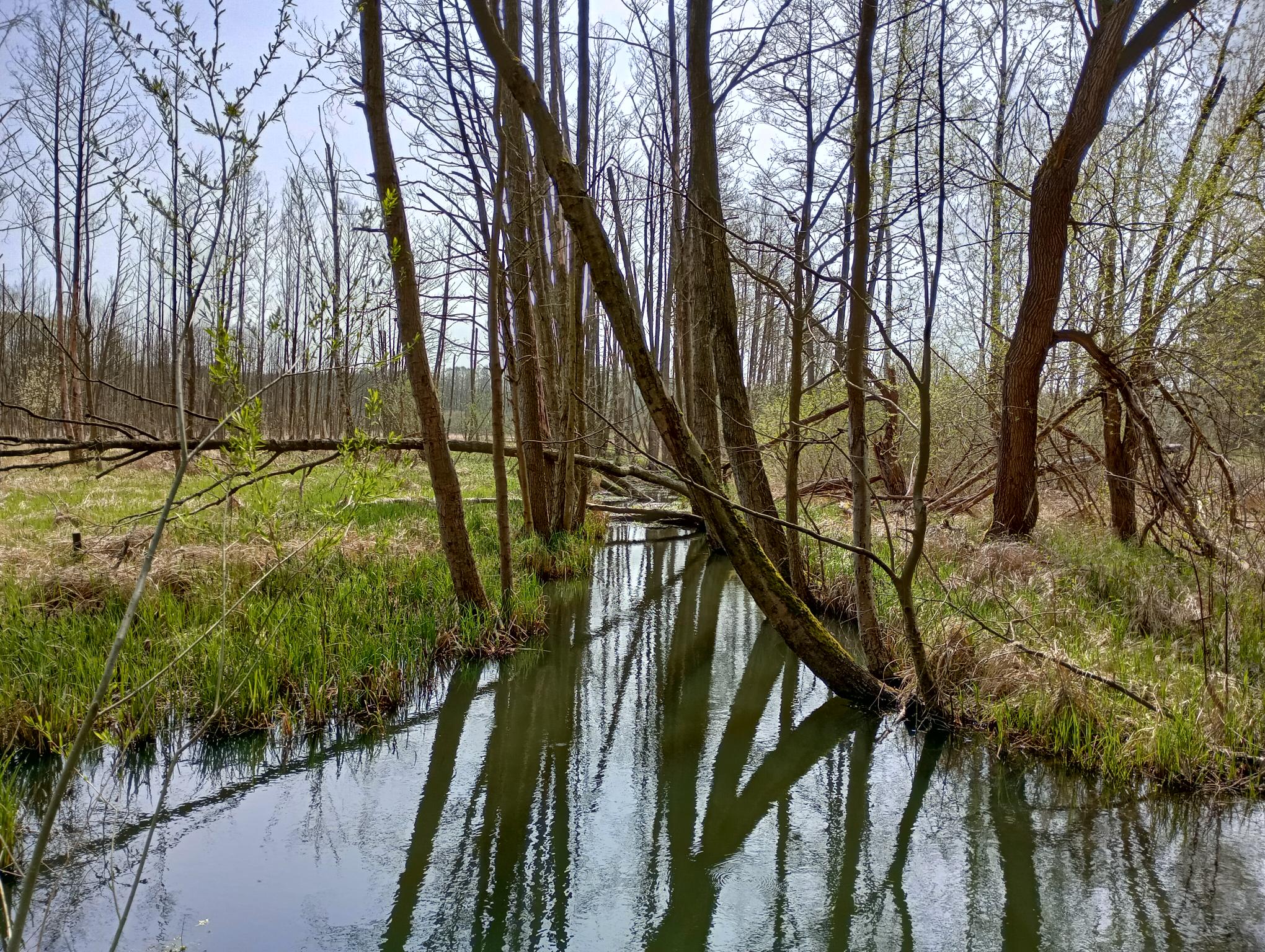
European Nature Restoration Regulation
From Decline to Recovery
Nature in Europe continues to deteriorate. More than 80% of the EU‑protected habitat types are in poor condition. To reverse this trend, the European Union launched the Nature Restoration Regulation in 2024, as part of the EU Biodiversity Strategy. The regulation was adopted on 17 June 2024 and entered into force on 18 August 2024. In the course of 2026, Member States must have prepared their own national Nature Restoration Plan.
The Regulation is sometimes referred to as the Nature Restoration “Law”. However, because it is a European regulation, it takes precedence over national legislation. A regulation is therefore effectively superior to a national law — which is why we use the official term Regulation. Its purpose is to shift nature and biodiversity from decline to recovery by restoring natural habitats, improving climate resilience, and rebuilding degraded ecosystems — including nature‑rich agricultural landscapes.
The Regulation sets concrete, binding targets for Member States to restore a specified share of degraded habitats and species by 2030, 2040 and 2050 — and to keep them in good condition thereafter.
- The European Nature Restoration Regulation aims to achieve several objectives:
- Restore 90% of degraded habitats and threatened, protected species on land and at sea by 2050
- Start the recovery of pollinators by 2030
- Ensure no net loss of green space in urban areas by 2030
- Achieve 10% tree canopy cover — the surface area viewed from above — in all European cities, towns and urban areas by 2050
- Increase biodiversity in farmland by 50% for grassland butterflies, farmland birds and varied small‑scale landscapes by 2050
- Restore at least 50% of drained peatlands by 2050
- Ensure demonstrably healthier forests (6 out of 7 indicators) with increased biodiversity and three billion additional trees by 2030
- At least 25,000 km of free‑flowing rivers by 2030
- Restore 90% of seagrass beds and seabed habitats by 2050.
All of this must be set out in a national Nature Restoration Plan.
What does this mean for different sectors?
We expect this European legislation to be especially relevant for public authorities, agricultural businesses and land managers.
Central Government
The Dutch national government must deliver the Nature Restoration Plan by August 18th, 2026. This includes alignment with the energy transition and defence interests, as well as the restoration of marine habitats and free‑flowing rivers.
Provinces
Given the decentralisation of Dutch environmental policy, provinces will inevitably need to develop additional plans for nature restoration, including outside Natura 2000 areas.
Municipalities
Municipalities will need to support the efforts of national and provincial authorities where possible. They are also responsible for green spaces in urban areas — including achieving 10% tree canopy cover.
Agricultural Businesses
Farmers will be increasingly required to take measures that support grassland butterflies and other pollinators, farmland birds and biodiversity in varied, small‑scale landscapes. Measures will also be needed in and around 50% of drained peatlands, many of which lie in agricultural regions.
Forest Managers
Forest managers will need to ensure positive trends in the common forest bird index and across the seven indicators of forest health, including standing and lying deadwood, uneven‑aged forest structure, organic carbon stocks and tree species diversity.
How can we support you?
Our services related to the Nature Restoration Regulation include:
- Support in developing the Dutch Nature Restoration Plan or regional aspects of that
- Applying for funding and setting up restoration projects
- Organising required scientific research
- Informative sessions on key points and relevant provisions of the Regulation
- Strategic sessions on the Regulation’s implications — for example for provincial nature policy teams or agricultural organisations
- Baseline studies and initial surveys of protected and threatened habitats and species
- Research and evaluation of current progress on the seven central objectives
- Policy advice, e.g. on handling additional EU rules for wind and solar energy projects
- Support in developing standardised and certified monitoring methods and data collection
- Advice on connections with existing schemes such as NLPG, ANLB, and the Habitats and Birds Directives
Other
themes
Biodiversity recovery
The importance of the diversity of plants and animals and fungi.
Climate mitigation and adaptation
Stimulating the use of ecosystem services that nature offers us, can turn the tide or provide perspective for regulating climate
Resilient forests
It's about more trees as well as vitality and variation.
Want to
know more?
Contact us!